
The origins of Sway's Treacle Mines
How a delightully quiet New Forest village became a centre of construction and infamous for 'Treacle'.
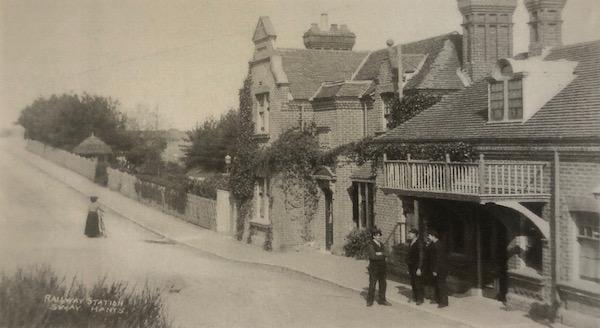
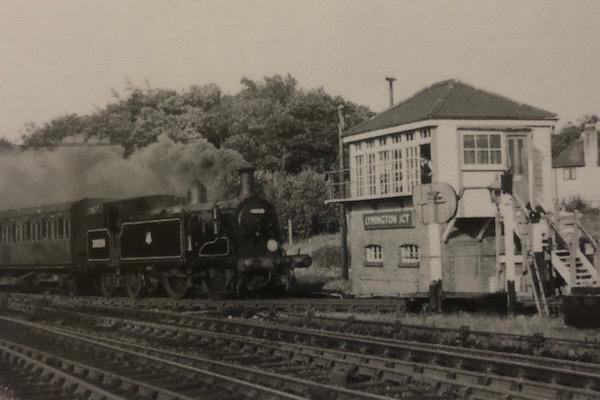 The terms 'Sway Treacle Mines' and 'Sway Docks' were commonly used in the 1950s and 1960s (and I remember them also in the 1980s!) as humorous descriptions of the destination by railwaymen and bus crews when arriving at Sway Sation. Gwen Boule, in her booklet 'Memories of Sway' (1996), recalls the ticket inspector on the train responding when asked if the train stopped at Sway "Yes, it stops at Sway Docks and how are the treacle mines doing?"
These terms actually date to the mid-1880s when the Bournemouth Direct Line was being built.
The Bournemouth Direct Line
Construction took place in several phases. Castleman's Corkscrew opened in 1847, extending from Brockenhurst, through Holmsley to Ringwood and on to Wimborne and then Hamworthy. Next the line from Brockehurst to Lymington, which opened in 1858. The Ringwood to Christchurch via Hurn opened in 1862, followed by lines into Poole and Bournemouth.
Finally, the Direct Line linking Brockenhurst to Christchurch line opened in 1888. Covering a distance of about ten and a half miles, the Direct Line was constructed between 1884 and 1888, was two years late in completion, led to the bankruptcy of a construction company and the the deaths of at least ten navvies, with injuries to many more. The construction was fraught with unforeseen difficulties and was described by the main contractor, Joseph Firbank who had built 49 railways as being the one where work 'proved the most troublesome'.
 The 'troublesome' Brockenhurst to Christchurch Line
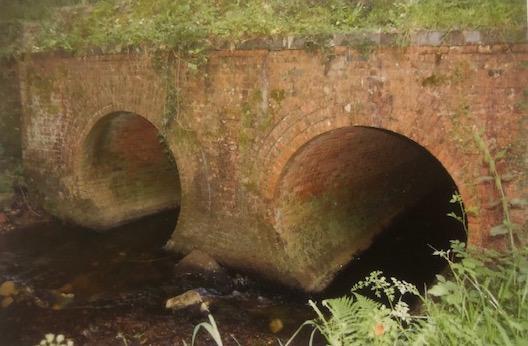 Just over a mile of the line lay over the forest land between Lymington Junction and the Sway parish boundary at Manchester Road and the Verderers decided that they were prepared to allow the scheme provided that suitable bridges and subways were constructed to enable the free passage of the commoners' animals across the line. Three wooden bridges of nine feet and one 'cattle creep' (subway) were constructed in addition to four public road bridges.
Agister Albert Chandler, who conveniently lived in Sway, was given oversight of the works to protect the Verderer's interests. He noted that "they are cutting and destroying the pasture" making roads far wider than they should have done, that not all workers were consulting and complying by the plans. The railway company sought to alter the plans to make the main road into a dog-leg, which the Verderers vehemently opposed!
Working on the railway
The plan was to work on the railway from both ends, which required a substantial workforce. The project was taking place at a time of agricultural depression which was sufficient to keep labourers' wages lower so the opportunity for employment was no doubt welcomed by many local working men. The pay rate was between 3 and 4 shillings a day, somewhat better than those for agricultural labourers, but the work was demanding.
 This aside, an influx of hundreds of working men into the area was inevitable. Most of the navvies drawn from further afield were largely itinerant workers, experienced in navvying, who went from one project to another regardless of location. Many found lodgings in the families of local working families, whilst others were housed in specially erected wooden 'hutments'. There are records of huts at Fernhill near New Milton and also close to the work at Sway. Accommodation was disorganised, usually down to the men to take the initiative to find both lodgings and employment. Living conditions in the communal huts were not great. Violet Mary Cook, who was born 'on the railway' in Sway in 1887, the daughter of a navvy, recalled being told "in those days the navvies lived in long galvanised iron huts divided into three; one end for men, the middle section for living quarters and the other end for unmarried women."
Desperate times in 1885
When contracting firm Kellett and Bentley went into liquidation and work ceased on 30 June 1885 there were huge consequences for contractors and sub-contractors, men had to be laid off, wages could not be paid and things became desperate for many. Some 300 navvies were paid off, but not before they had threatened violence if their money was not forthcoming. As Christmas approached and still no new contractor was established, Clara and Gertrude Petter appealed in the press for Christmas gifts so as 'to supply presents' to the navvies who were 'working so laboriously in the immediate neighbourhood.' In Christchurch the vicar and railway missionaries went round begging for money to help alliviate the poverty of the labourers.
 Treacle Mines
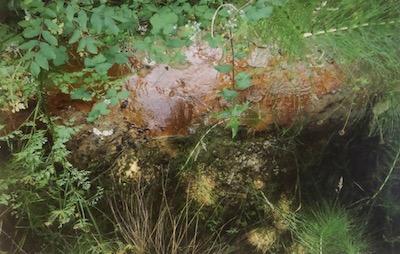
The firm of Joseph Firbank and Co took over as new contractors to complete the works. Conditions were very hard and treacherous. Many navvies suffered injuries and even death, often following sudden falls of unstable banks. The fundamental problem was that the 'Barton clay' was extremely sticky and very hard to manage. Joseph Firbank described the 'celebrated Barton clay - dear to the geologist as supplying the happiest of happy hunting grounds for fossils, but utterly obnoxious to the engineer and contractor, as treacherous and slippery in the highest degree.'
The gooey clay often stuck to the trucks and proved difficult to top when they arrived at embankments. The problems arising from this terrible terrain had been difficult for Kellet and Bentley and when Firbank took over he had to devote a lot of capital in resolving the problems caused by the clay.
 The navvies working in these sticky, wet conditions often had their clothes, boots and tools clogged with these yellow or bluish clays and as they filed back form the cuttings or embankment, they gave the impression of having been wallowing in treacle. This was the origin of the Sway treacle mines!
The men battled with the 'treacle' and worked hard to build the railway line, bridges, embankments, culverts, junctions and stations that we know today. Next time you catch the train to Bournemouth, spare a thought for the many labourers who made your journey possible back in the soggy clays and desperate days of the 1880s...
Find out more about local history at St Barbe Museum in Lymington.
And also in our Local History section.
Source and images:
Treacle Mines, Tragedies and Triumph: The Building of the Bournemouth Direct Line 1883-1888 (Jude James)
St Barbe Museum & Art Gallery
If you haven't done so already, do sign up free of charge to receive our Weekly What's On newsletter - emailed every Friday morning to help you plan your weekend - stay in the loop!

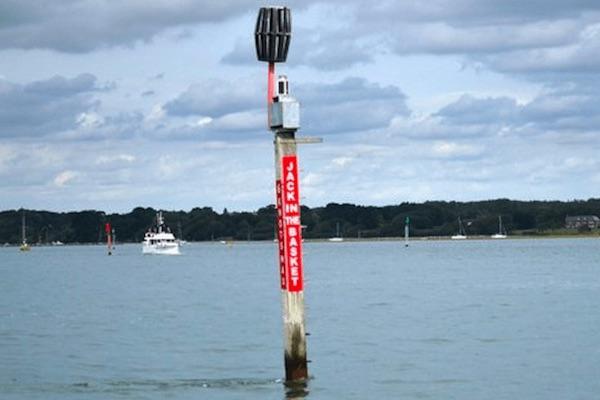
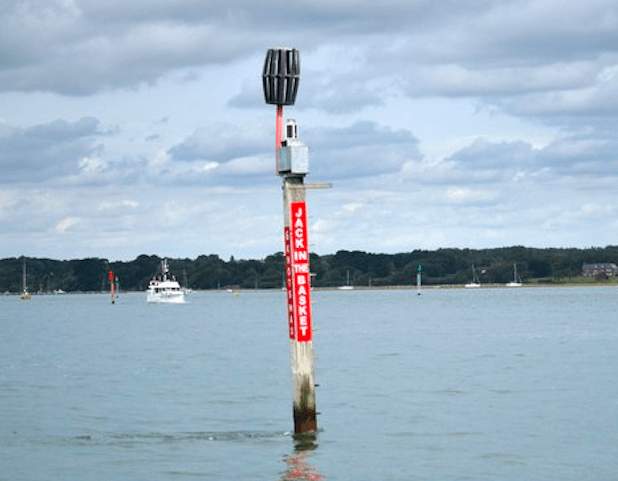
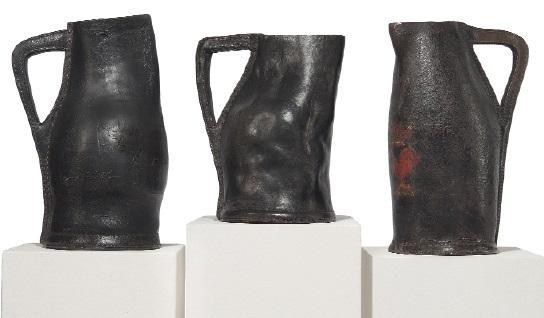 The first story goes that the fishermen from Lymington would go out in the Solent and to save them time their wives loveingly rowed down the river in punts and tied their food and drink in a basket on the last stake in the river. The drink was always carried in 'black jacks' (a tarred leather flask), hence the name Jack in the Basket.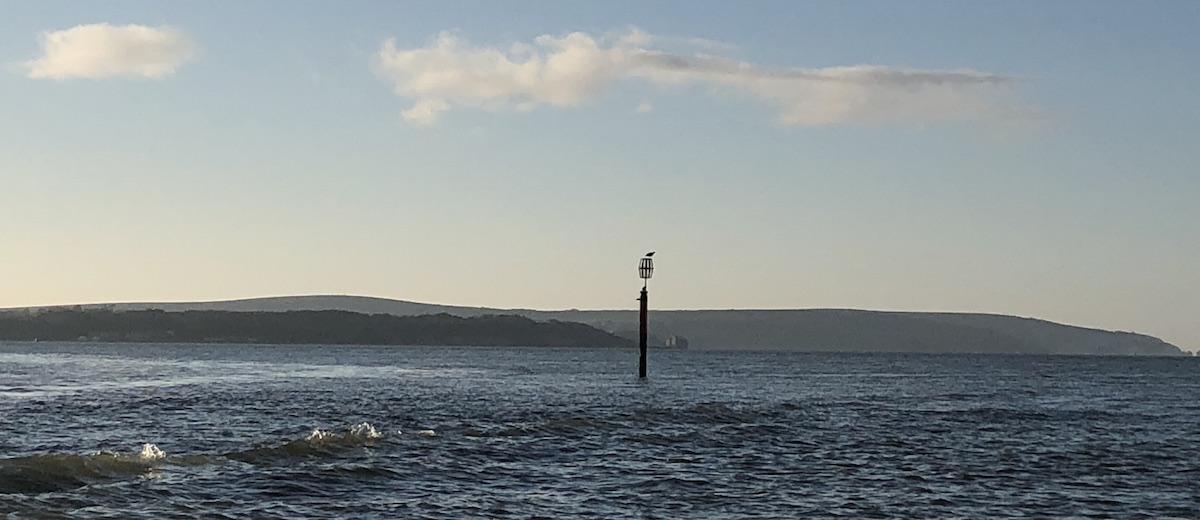
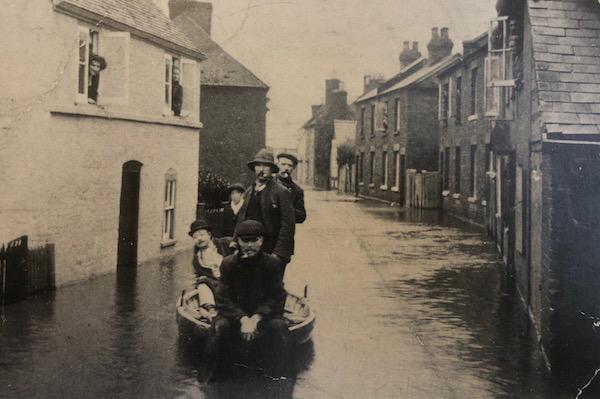
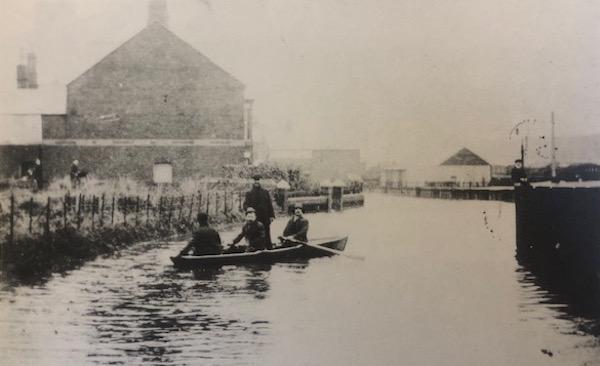 On the reverse of the postcard a Mrs Polly Knight of 44 Middle Road wrote about the flooding to her husband, Will Knight, who was working as a plumber on the construction of Copythorne Church at the time: "This was October 27th, 1909. Nothing but rain. This is Waterloo Road on Wednesday morning from the Bridge to the Station. There was no trains till quarter to ten. We went down and had a look at it in the afternoon and it was a site, but some of it has gone down. They were afraid it would come back again last night but it did not." *
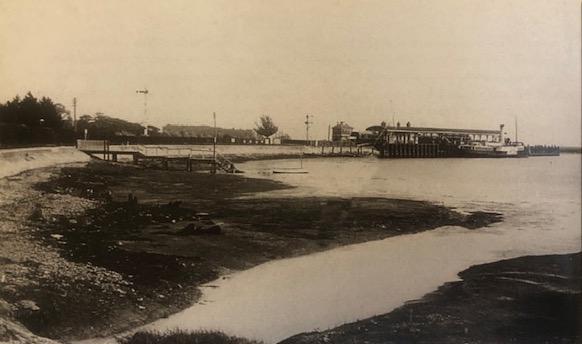 One of the worst hit areas was Bath Road, where the waters rose 8 feet inside houses, halfway up the staircase! Boards were placed around the room walls in an attempt to keep out the salt. With all manner of objects floating along the roads, chickens in coops from the Lymington side were washed up on the Walhampton side of the river.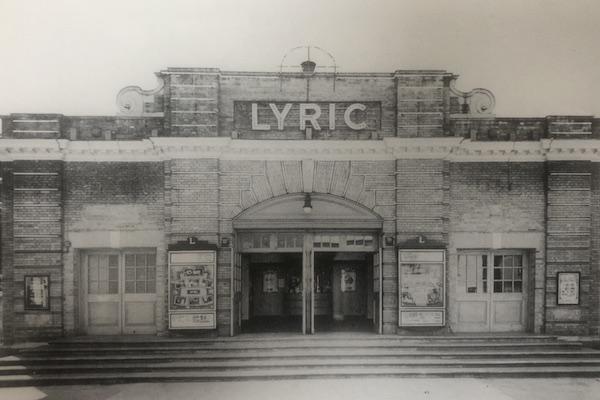
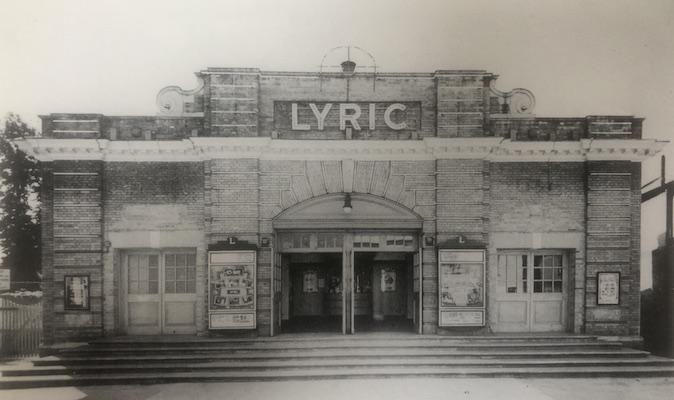 The grassed area of 4 St Thomas Street was a popular location for open air dances until Lymington & New Forest Entertainments Ltd built the Lyric cinema there.
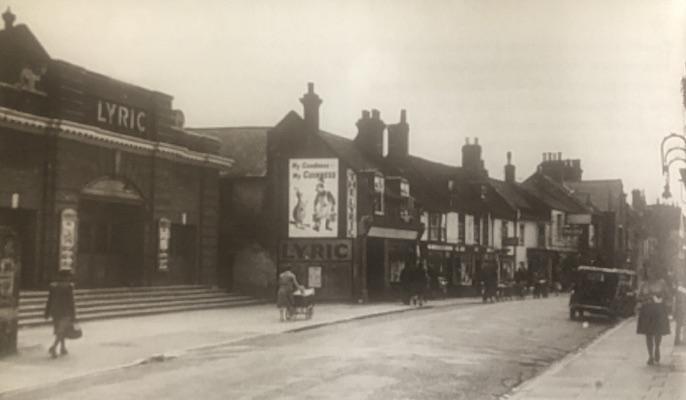 When the Lyric reopened later in 2014, Mr Harry Wincote was appointed manager at £2 a week. Silent films were cranked by hand by one operator and the lights came up when the reels were changed. A Werhner piano was acquried for £30 and Mr Wincote's son Cyril sometimes deputised for the pianist. The cinema also acted as an army recruiting office during the First World War.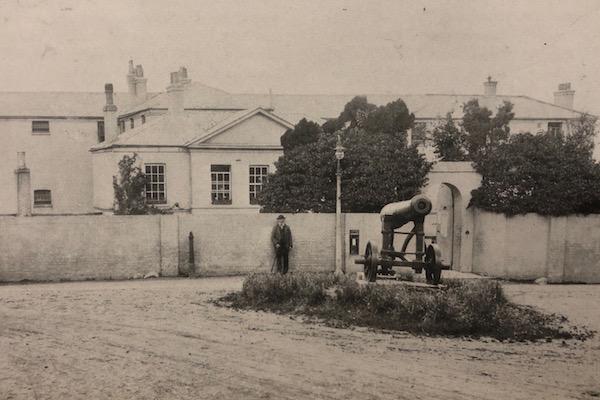
 In the early 18th century, workhouses were established to provide a place of shelter for homeless and poor people in return for work. Lymington's Poor House was built in 1738, costing £248 10s.
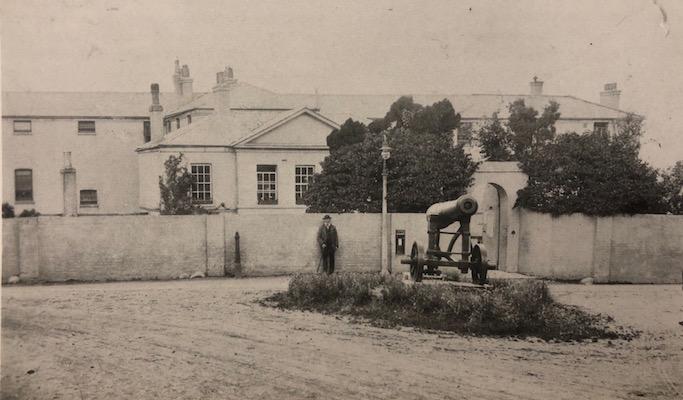
 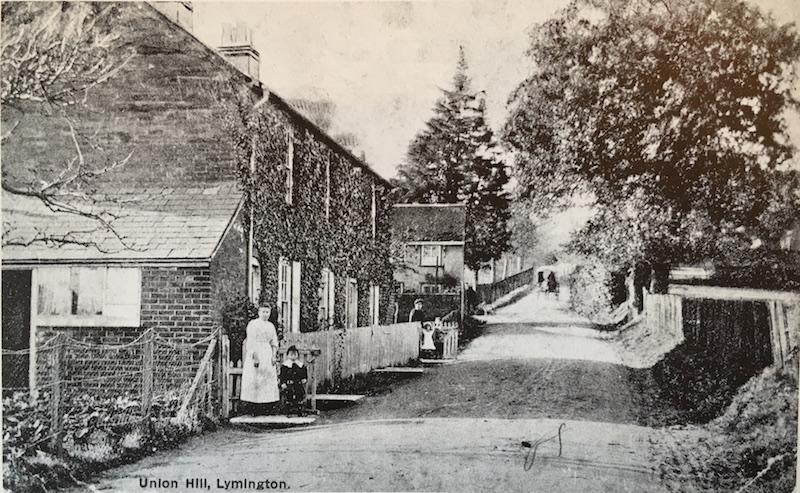 It was decided that a Workhouse should be built near the old Poor House on Union Hill opposite New Lane (now known as East Hill - image shows the bottom of Union Hill). Mr Sampson Kempthorne was the architect of the building that was designed to accommodate 270 inmates, based on his model "200-pauper" plan published by the Commissioners in 1836. It cost £4,500 to build and was completed in 1838.
 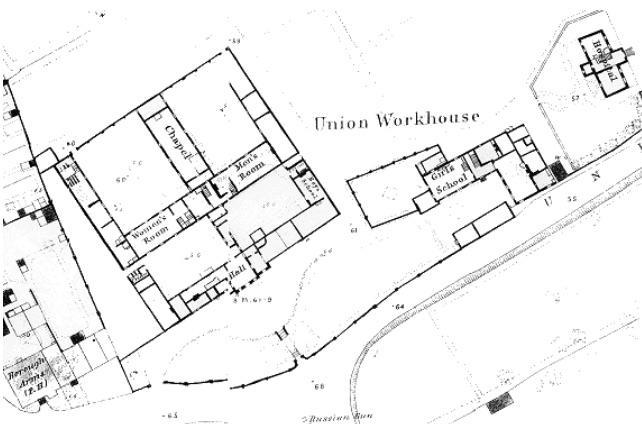 The Lymington Workhouse was set in three acres of grounds where vegetables were grown to make the institution as self-supporting as possible. A typical Sunday diet at the Workhouse was: breakfast - 1/2 lb bread with skimmed milk, dinner - 5oz dressed mutton with vegetable soup, supper - broth and maybe a little cheese to follow if the Master desired.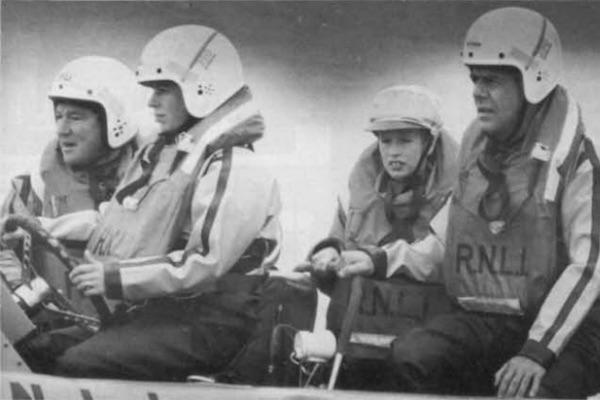
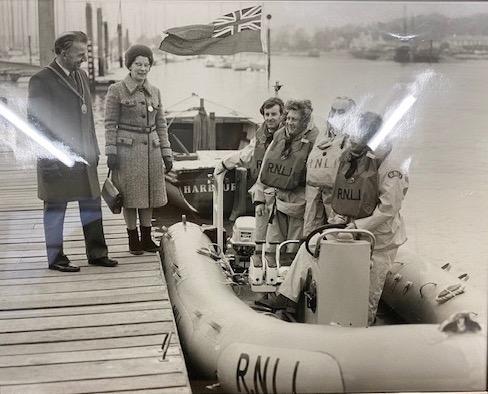 Lymington RNLI Inshore lifeboat station was formed in 1965 out of an independent service previously run by the local sailing clubs, with a D-class lifeboat. For over 50 years the Lymington Lifeboat has covered an area of the western Solent. Six awards have been presented to members of the lifeboat crew for gallantry.
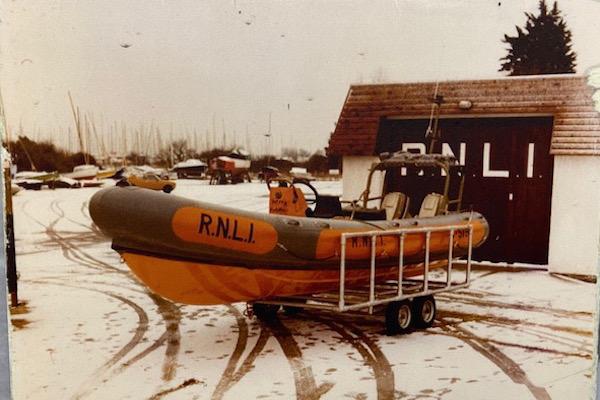
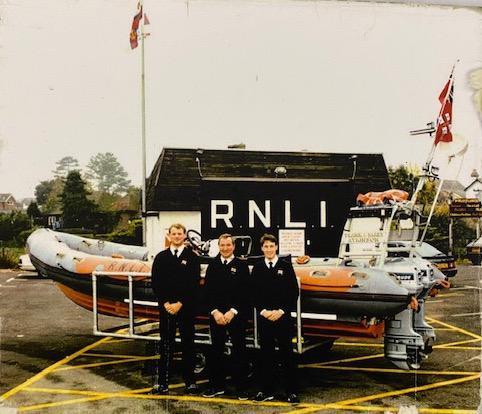 The D-class lifeboat was withdrawn in August 1973 and replaced by a B class Atlantic 21. The Atlantic 21 was part of the B-class of lifeboats and first generation Rigid Inflatable Boat (RIB) that was named after Atlantic College in South Wales, the birth place of the RIB. The versatile Atlantic 21 could be launched from a davit, trolley or floating boathouse depending on the location of the station and the available facilities.
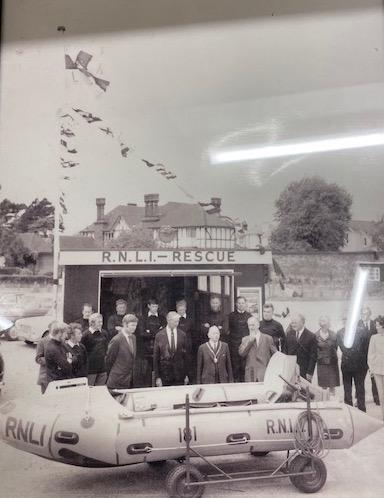 In 1978 a new boathouse was built near the Yacht Club and marinas.
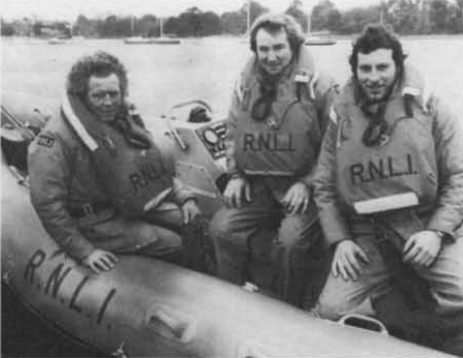 In a gale and rough sea he swam from the lifeboat and led her two crew over the marshes for half a mile to the lifeboat on 17 December 1980. Crew members Peter Harvey and Simon Chalk were presented with medal service certificates.
 One year later in 1988, framed Letters of Thanks were awarded to Helmsman Alan Coster and Crew Member Michael Crowe for a service to a 28ft yacht, which was in difficulties off the Shingles Bank. Crew Member Nicholas Hayward and the helicopter crew also involved in this service received letters of appreciation from the Director.
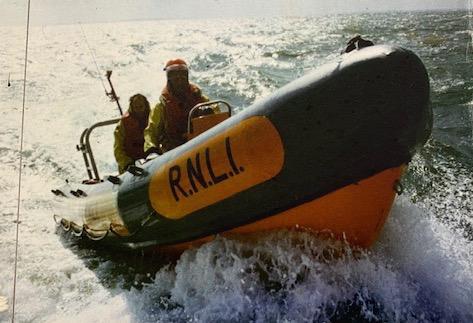 An Atlantic 75, (B-784) Victor ‘Danny’ Lovelock, replaced the Atlantic 21 lifeboat in 2002. In the same year, Thanks of the Institution inscribed on vellum was awarded to Helmsman Nicholas Hayward for saving the three crew and the yacht Piciess. Crew Members Barry Down, Robin Mursell and Austin Honeysett each received a Framed Letter of Thanks for this service. The B-class lifeboat was operating at the very limit of her capabilities in a force 8/9 gale, torrential rain and very rough seas.
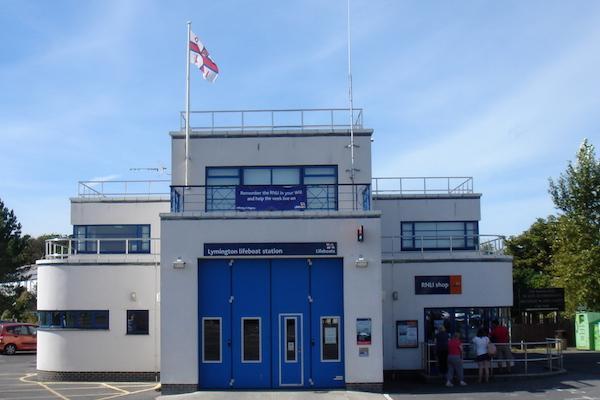 In 2006, a new ‘future proofed’ boathouse was built on the existing site, providing facilities for training, crew changing, workshop and storage together with an enlarged boat hall allowing the lifeboat launching cradle to be permanently hitched to the tractor for safer and faster launching. An expanded souvenir outlet was also included at this time.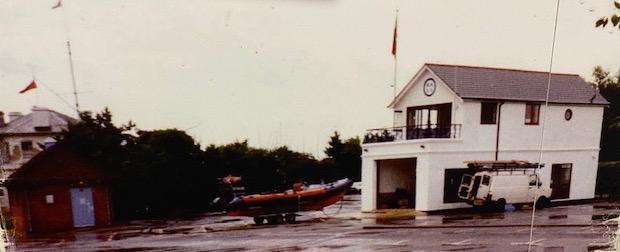
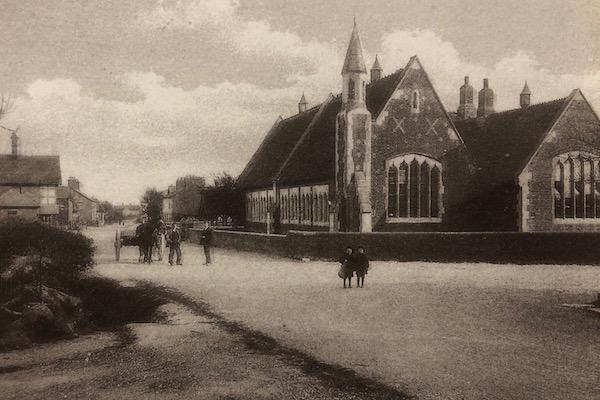
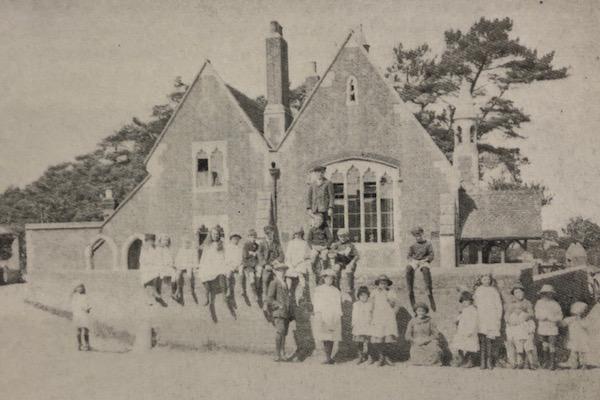 At this time the children looked forward to a weekly soup kitchen, in a house bearing the date 1897 a little way along Wainsford Road. Miss Helen Fullerton, of Pennington Chase, generously provided the ingredients, whilst volunteer helpers prepared the soup in a large boiler in the kitchen. The hot soup would contain rabbit, peas etc, and the children would bring their own bowl, spoon and bread. They would sit on benches inside the house to eat their soup, and women woud collect it in large wash-basins or jugs and be charged 2d a quart.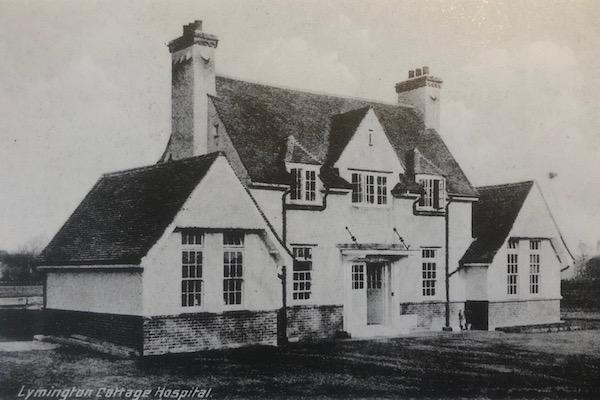
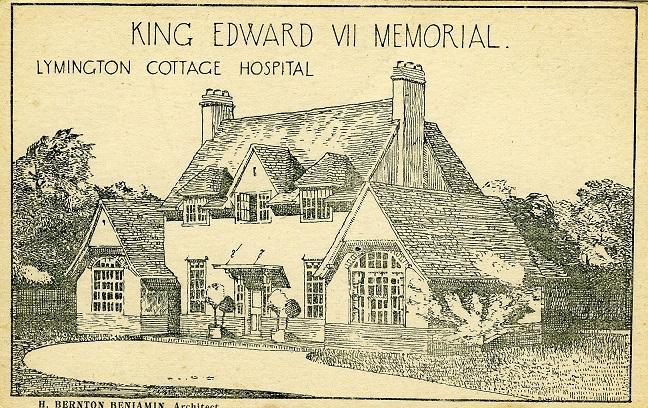 In 1929, local residents took part in a competition to purchase two plots of land on which a nurses home was constructed for £2,500. In the same year, a wealthy American visitor, Mr Barkley Henry and his wife, were treated at the hospital and presented a new theatre, X-ray and physiotherapy rooms in gratitude. An appeal to the local community raised a further £5,000 in 1932.
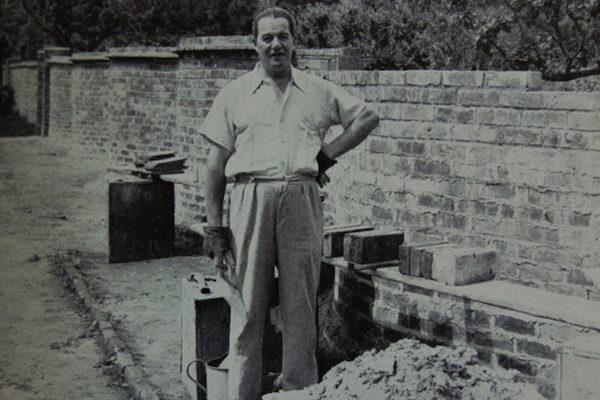
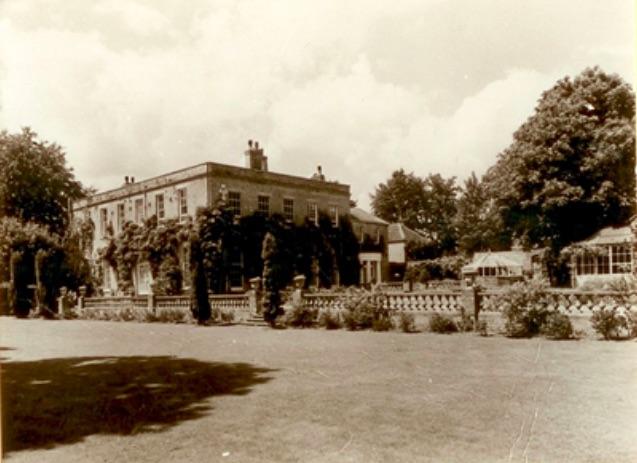 Dennis's crinkle-crankle remains to this day on the left hand side as you drive down Church Lane.
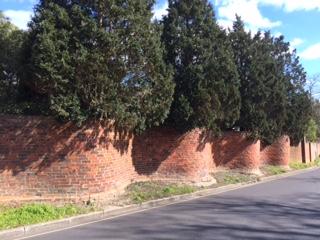 Crinkle-crankle walls
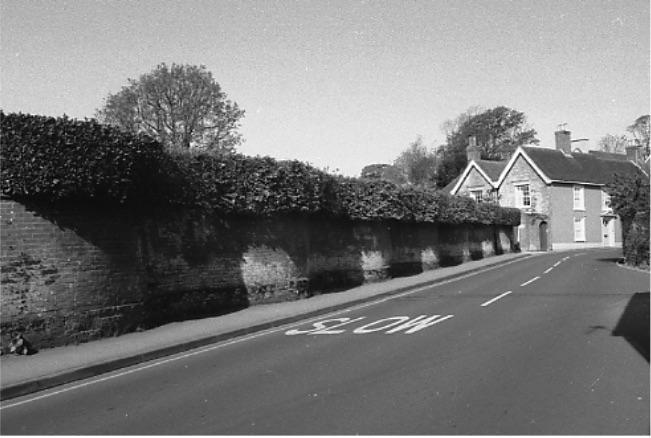 According to Dennis Wheatley in ‘Saturdays with Bricks’, “It was the French prisoners-of-war in Napoleon’s time who introduced serpentine walls into England. Following their capture, they were shipped to Portsmouth, then confined in the Isle of Wight. After a time, some humanitarian suggested that they should be allowed out on ticket-of-leave to work in gardens. That is why there are many more serpentine walls in the Isle of Wight and South Hampshire than in any other part of the country. They are said to have originated in Brittany, and it is highly probable that the Frenchman who first thought of making a wall wavy was not inspired by any artistic motive, but by economy.” (p95)
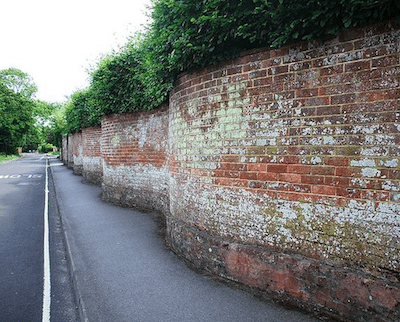 No doubt an inspiration for Dennis Wheatley's crinkle-crankle wall is the example opposite in Church Lane. The wall at Elm Grove House is the oldest crinkle crankle wall in Lymington, thought to have been constructed in the early 19th century, possibly by Hanoverian soldiers when they were in exile in Lymington from the Napoleonic Wars (1803–1815) living in the adjacent house.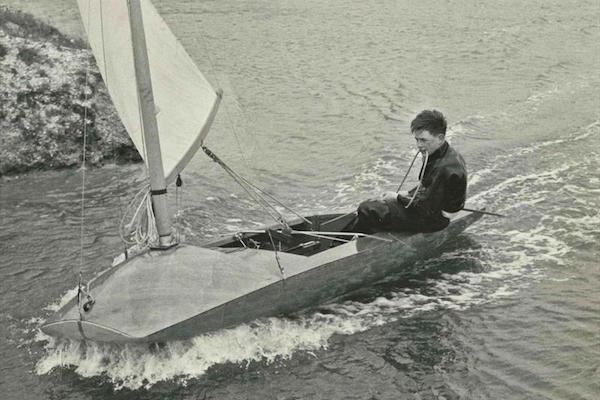
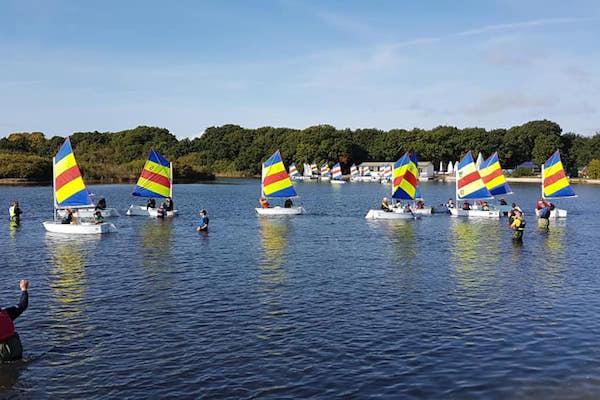 Over the years thousands of young people have learnt to sail at Salterns, developing a respect and love for the sea which has stayed with them all their lives. Many applied their experience in running the club to good effect, in running of other clubs and in their chosen careers.
 Over the past 20 years the club has raised over £150,000 for the BBC Children in Need appeal - this year's 24 Hour Sailathon will be taking place this Friday 15th and Saturday 16th November, all are welcome to come along on Saturday for a Big Salterns Brunch and to watch the sailing. It's a great opportunity to find out more about the club too! The Lymington Lifeboat crew will be coming along at 11.30am for their annual optimist race, where grown men attempt to sail children's dinghies around the Salterns Islands!
